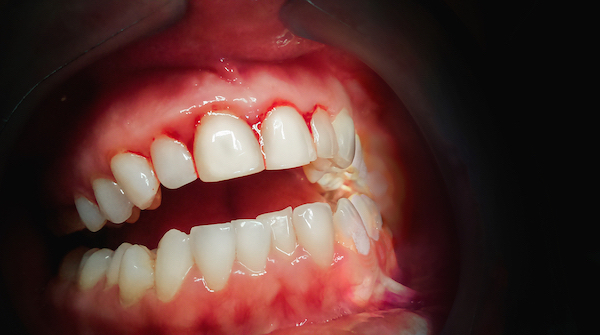
GINGIVITIS

Gingivitis is characterized by extremely sensitive and painful gums at the slightest touch, chewing or teeth brushing. The gums bleed when brushing the teeth, using dental floss or inter dental toothpicks.

Bad breath feels which is characteristic for bacteria products. There are a number of causes for gingivitis, one of the main is presence of tartar at the edge of the tooth, where gingival (gum) is connected to the tooth, bad oral hygiene , deficit of some vitamins, the compromised immune status of the organism ( due to pregnancy, long-lasting and exhausting menstrual cycles or some general diseases).

At Dental Clinic Vukovic, we specialize in diagnosing and treating gingivitis—the earliest and only reversible stage of periodontal disease. If caught in time, inflammation can be completely cured, preventing permanent damage to the bone and teeth structures. Our treatments are led by Dr. Marija Vukovic Stevanov, a specialist in Periodontology and Oral Medicine, ensuring that your gum health is managed by an expert.

How to Recognize Gingivitis: Key Symptoms

Many patients don’t realize they have gingivitis because the early signs can be subtle. Look out for these indicators:

  • Color Change: Gums turning from healthy light pink to bright red or purple.

  • Bleeding: Noticing blood while brushing, flossing, or using interdental brushes.

  • Swelling: Gums appearing puffy, soft, or shiny instead of firm.

  • Persistent Bad Breath (Halitosis): Caused by bacterial byproducts in the mouth.

  • Receding Gums: Teeth appearing "longer" as the gum line pulls back.

Call and schedule an appointment 

Why Do Gums Get Inflamed?

The primary culprit is dental plaque—a sticky film of bacteria. If not removed through regular hygiene, it mineralizes into tartar (calculus).

Why Tartar is Dangerous:Tartar acts as a mechanical irritant and a reservoir for bacteria. It blocks the natural "self-cleaning" flow of saliva around the teeth, allowing bacteria to release toxins that destroy the supporting tissues.

Other Risk Factors:

  • Smoking: Reduces blood circulation in the gums, masking bleeding and slowing down healing.

  • Hormonal Changes: Pregnancy, puberty, or cycles can make gums hypersensitive.

  • Poor Dental Work: Outdated crowns, bridges, or ill-fitting fillings that trap food and bacteria.

  • Vitamin Deficiencies: Particularly Vitamin C, which is crucial for connective tissue.

upala desni


The Role of Dental Tartar in Gingivitis Development

Dental tartar (calculus) is the primary driver of persistent gum inflammation. Unlike soft plaque, tartar is a mineralized deposit that cannot be removed by brushing alone.

The "Blockage" Effect:Tartar creates a physical barrier that prevents the natural self-cleaning mechanism of the oral cavity. In a healthy mouth, saliva circulates freely within the periodontal space to neutralize acids and wash away debris. When tartar accumulates along the gumline, it seals off this space, creating an anaerobic environment.

Bacterial Colonization:Underneath these hardened deposits, pathogenic bacteria multiply rapidly. They release harmful metabolic byproducts (toxins) that directly irritate the gingival tissue, leading to a state of chronic inflammation. Because this stage does not yet involve the destruction of the alveolar bone or supporting ligaments, it is classified as reversible. However, without professional intervention to remove the mechanical irritant (tartar), the condition will inevitably progress to irreversible periodontitis.


Schedule an appointment

Gum Inflammation Under Dentures and Prosthetics

Inflammation isn't limited to natural teeth; it is a frequent complication for patients with dentures, crowns, and bridges.

1. Gingivitis and Dentures (Partial or Full)

Inflammation under a denture plate typically stems from two specific causes:

  • Mechanical Irritation (Pressure Points): New dentures often require several clinical adjustments. If the plate exerts uneven pressure, it causes "sore spots" or localized inflammation. It is vital to visit your dentist at the first sign of discomfort; we can perform precise corrections to the denture base to relieve pressure and allow the mucosa to heal immediately.

  • Denture Stomatitis (Candida Infection): A very common cause of red, inflamed gums under dentures is an overgrowth of Candida albicans. We diagnose this via a simple swab. If white or yellowish patches appear on the tongue or palate, it is a clear indicator. Treatment involves a dual approach: targeted oral antifungal therapy and professional disinfection of the denture itself (often using specific soaking solutions) to prevent reinfection.

2. Inflammation Under Dental Bridges and Crowns

When gums become inflamed around relatively new prosthetic work, it usually points to one of the following clinical issues:

  • Pre-existing Periodontal Pockets: If deep pockets weren't fully treated before the bridge was cemented.

  • Improper Marginal Fit: If the crown margin doesn't perfectly seal the tooth preparation, it creates a "ledge" that traps plaque.

  • Over-contoured Crowns: Crowns that are too wide at the neck exert constant pressure on the delicate gingival margin.

The Case of Older Prosthetics: Over time, gums naturally recede. This exposes the edge of the crown, creating a "trap" for food particles and bacteria. This leads to deep inflammation and the formation of new periodontal pockets.

Our Protocol for Failed Prosthetics: In these cases, the only medically sound approach is to remove the inadequate bridge or crown. We then perform a complete gum reconstruction, which may include Flap Surgery and bone grafting (using artificial bone) to fill defects and create a healthy foundation. Only after the bone has integrated (typically 2 months) do we proceed with a new, precision-engineered prosthetic replacement.


Need a dentist?

Gingivitis Treatment at Vukovic Dental Clinic

The treatment of gingivitis is based on eliminating the root cause of inflammation and rapidly calming the inflammatory process, ensuring the full regeneration of gingival tissue.

Professional Tartar Removal and Therapy

The first and most critical step in treating gum inflammation is the professional removal of soft and hard dental deposits, which cannot be eliminated through home oral hygiene alone.

Gingivitis treatment primarily involves removing the main cause of inflammation—the buildup of soft deposits and dental calculus (tartar).

The therapy protocol includes:

  • Debridement: Thorough irrigation of the inflamed areas using a Waterpik device combined with professional antibacterial solutions.

  • Topical Treatment: Gum massage using specialized antibacterial gels.

  • Advanced Hygiene: Compulsory use of dental floss and interdental brushes as required.

  • Home Support: Regular rinsing of the oral cavity with prescribed antiseptic solutions is highly recommended.

In more severe cases, if the dentist deems it necessary, specific medications or antibiotics may be prescribed to treat the inflammation of the gums and oral mucosa.

With adequate therapy and proper hygiene, the first signs of improvement are typically observed within 7 to 14 days. Patients often ask about the duration of the condition; however, the healing time depends strictly on the severity of the inflammation and the patient's adherence to the recommended oral hygiene regimen.


upala desni

Modern Treatment Methods and Ozone Therapy

In cases where a faster reduction of inflammation and bacterial load is required, modern therapeutic approaches are utilized as a supplement to standard dental procedures. One such method is Ozone Therapy, a painless procedure with potent antibacterial effects.

This therapy acts locally, helping to control pathogenic microorganisms. It is used exclusively as an adjunct to the primary treatment, not as a replacement for it.

For patients with gingivitis, the application of ozone therapy contributes to the gradual reduction of swelling, decreased bleeding, and faster relief of unpleasant symptoms. Improvement is usually noticed within a few days to two weeks, depending on the degree of inflammation and the individual's biological response, without absolute time guarantees.

The decision to use ozone therapy is made, and the procedure is performed, by our specialist in periodontology and oral medicine, Dr. Marija Vuković Stevanov. The treatment is based strictly on a detailed clinical examination and assessment of the gum health to ensure the procedure is safe, justified, and tailored to each individual patient.

Worried About Gingivitis? Visit Our Clinic in Belgrade.

Prevention and Home Care for Gum Health

Prevention plays a vital role in avoiding the recurrence of gingivitis. Proper home care directly impacts long-term gum health and should be maintained consistently, not just when symptoms are present.

The foundation of daily oral hygiene includes:

  • Brushing your teeth at least twice a day.

  • Brushing for a minimum of two minutes.

  • Mandatory evening brushing before sleep to remove bacterial plaque accumulated throughout the day.

While consistent home care is essential, it is not sufficient without professional dental checkups. Professional removal of tartar and soft deposits allows for the control of factors that cannot be fully eliminated with a toothbrush and toothpaste alone. The recommended interval between these professional cleanings is typically six months, though this can be adjusted based on the individual condition of the gums and the rate of plaque accumulation, as assessed by our specialist

Maintaining Results After Treatment

Maintaining results after ultrasonic scaling and/or ozone therapy relies on the continuous control of bacterial plaque and preventing new deposits in the gingival sulcus (the space between the tooth and the gum).

  • Ultrasonic Scaling: After this procedure, tooth surfaces become smoother, temporarily reducing bacterial attachment. However, this effect fades over time without adequate oral hygiene.

  • Ozone Therapy: While the antibacterial effect reduces the number of pathogenic microorganisms and calms inflammation, it does not eliminate the external causes of the disease. Therefore, consistent home care and regular removal of soft deposits are key to preserving the therapeutic effect.

Without proper hygiene and regular professional cleanings, bacteria will recolonize, plaque will accumulate, and tartar will reform, leading to a relapse of gingivitis even after successful clinical procedures.

Lifestyle Factors

Certain habits have a direct impact on the state of your gingiva:

  • Smoking: Leads to poor blood circulation in the gums and a decreased ability of the tissue to respond to inflammation and heal.

  • Vitamin C Intake: A diet rich in Vitamin C contributes to the integrity of connective tissues.Overall, lifestyle is a significant factor in gum resilience and their response to local irritants and bacteria.

Need a Dentist? Get a specialist consultation with Dr. Marija

 Vuković Stevanov and start your treatment


Proper Oral Hygiene and the Use of an Oral Irrigator (Waterpik)

An oral irrigator (commonly known as a Waterpik) is a device that uses a pulsating stream of water under controlled pressure to remove bacteria and food debris. It plays a significant role in reducing gum inflammation and maintaining gingival health. As emphasized by our periodontology specialist, Dr. Marija Vuković Stevanov, this method of mechanical cleaning is particularly beneficial for patients prone to gum inflammation.

How it works:The directed, pulsating water jet mechanically flushes out bacterial plaque and detritus (organic debris). This provides a physical cleaning effect without any harsh chemical impact on oral tissues. This principle allows for the effective reduction of bacterial load in areas that are often neglected by conventional hygiene tools.

Key advantages of an oral irrigator:

  • Subgingival Cleaning: It reaches deep below the gumline.

  • Interdental Cleaning: It effectively cleans the spaces between teeth.

  • Hard-to-reach Zones: It accesses areas that a standard toothbrush simply cannot reach.

By removing deposits from below the gumline and between the teeth, the Waterpik plays a crucial role in preventing and controlling gingival inflammation. Furthermore, the pulsating action stimulates microcirculation in the gums, which aids in tissue regeneration and the stabilization of periodontal health—a key factor in modern periodontology.

The Waterpik is especially critical for patients with:

  • Dental crowns

  • Bridges

  • Dental implants

  • Fixed orthodontic braces (aligners or wires)

In these cases, the oral irrigator allows for more efficient hygiene in areas with a high risk of bacterial retention and subsequent gum inflammation.

Need an experienced Dentist for Gingivitis in Belgrade?


prevencija i zaštita desni

Treatment for Sore, Red, and Swollen Gums at Vukovic Dental Clinic


upala desni- dr marija vuković stevanov

Spec. Dr. Marija Vuković Stevanov 

At Vukovic Dental Clinic, we provide fast and successful treatment for diseased, red, and swollen gums. All procedures are performed by our highly experienced specialist, Dr. Marija Vuković Stevanov.

If you are experiencing any symptoms or have questions regarding your gum health, do not hesitate to reach out. Call us today or schedule your specialist consultation online.


Koliko tačno traje lečenje upale desni?

Lečenje gingivitisa najčešće traje 10 do 14 dana, uz pravilnu oralnu higijenu i profesionalno uklanjanje kamenca. Poboljšanje simptoma se često primećuje već u prvoj nedelji terapije.

Da li je upala desni zarazna?

Sam gingivitis nije zarazna bolest, ali bakterije koje ga uzrokuju mogu se preneti putem pljuvačke. Zbog toga je važno održavati dobru oralnu higijenu i redovno kontrolisati zdravlje desni.

Da li je čišćenje kamenca bolno?

Profesionalno čišćenje kamenca je uglavnom bezbolno, naročito kada se izvodi ultrazvučnim aparatom. Kod osetljivih desni može se javiti blaga nelagodnost, koja prolazi u roku od jednog do dva dana.

Koji su najbolji prirodni lekovi za ispiranje usta kod kuće?

Kao dopuna terapiji mogu se koristiti rastvor morske soli, čaj od žalfije ili kamilice, jer imaju blago antiseptično i umirujuće dejstvo. Ovi preparati ne mogu zameniti profesionalno lečenje, već služe kao pomoćna mera.

Mogu li deca dobiti upalu desni?

Da, i deca mogu imati upalu desni, najčešće kao posledicu nedovoljne oralne higijene, nakupljanja plaka ili tokom nicanja zuba. Redovne kontrole i pravilne navike su ključne u prevenciji.

Da li krvarenje desni uvek znači parodontopatiju?

Ne. Krvarenje desni je najčešće znak gingivitisa, koji je reverzibilan i može se potpuno izlečiti ako se reaguje na vreme. Neliječeni gingivitis može preći u parodontopatiju, ali krvarenje samo po sebi ne znači da je do nje već došlo

poziv
V
Book a consultation